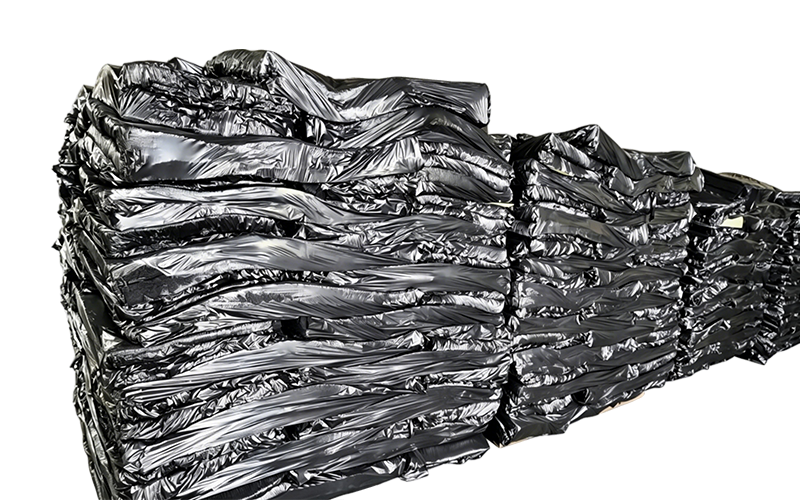
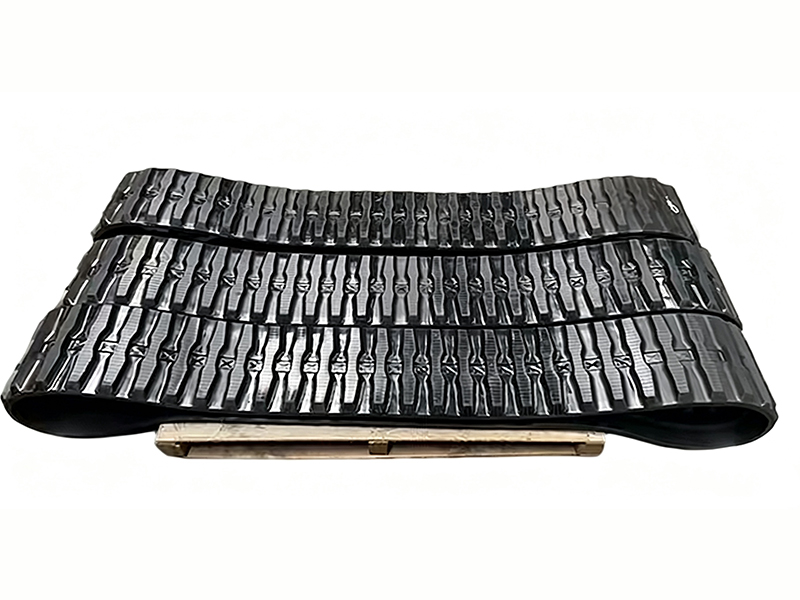
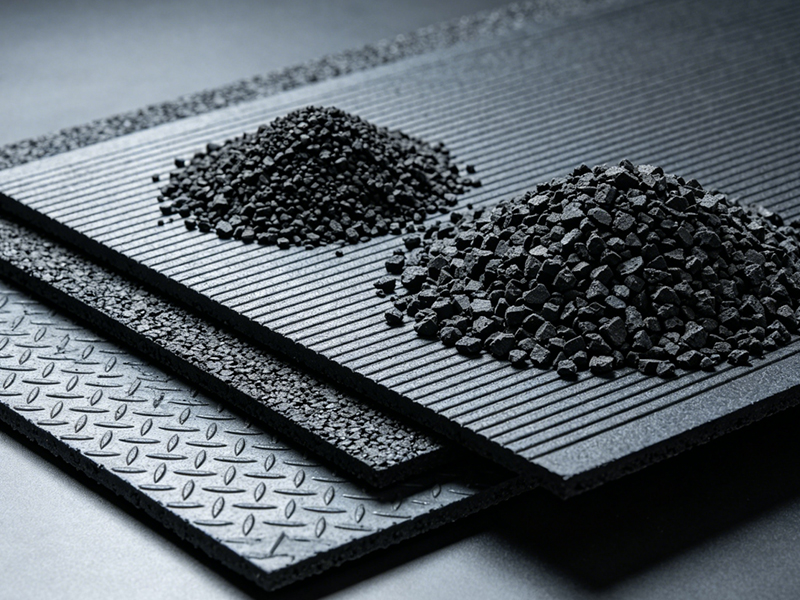
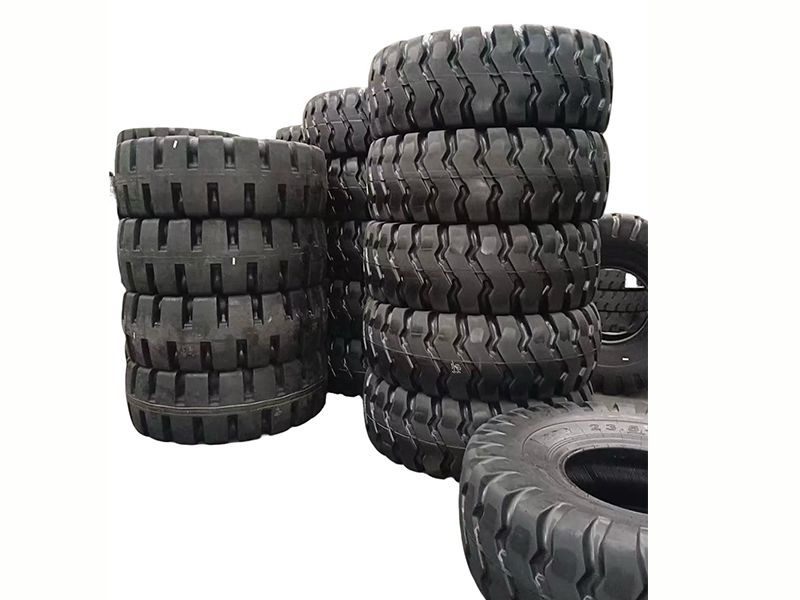
As a key circular economy material in the rubber industry, reclaimed rubber has expanded its applications into road construction, industrial manufacturing, and other fields. Based on different raw materials, reclaimed rubber is classified into tire tread type, inner tube type, rubber shoe type, and new varieties such as latex product reclaimed rubber and halogenated butyl reclaimed rubber.
Core Advantages
1. Significant Cost Reduction
Reclaimed rubber can replace a portion of natural or synthetic rubber in production, effectively reducing compound costs. while fine eco-friendly odorless reclaimed rubber can reduce raw material costs by approximately one-third.
2. Improved Processing Performance
Reclaimed rubber generally requires no mastication, saving time, labor, and energy. It offers good comprehensive processing properties and blends easily with compounding agents. When mixed with natural or synthetic rubber, it improves processability and adhesion while shortening mixing time.
3. Eco-Friendly & Resource Recycling
Made from waste tires and rubber products, reclaimed rubber enables the resourceful recycling of waste rubber. The industry has adopted advanced technologies such as multi-screw continuous devulcanization and atmospheric-pressure continuous regeneration, significantly improving environmental performance.
4. Reliable Performance & Wide Applicability
Depending on raw materials and processes, reclaimed rubber can offer diverse properties including oil resistance, heat resistance, acid/alkali resistance, aging resistance, high insulation, and excellent air-tightness, meeting the needs of various rubber product applications.
Application Fields
• Tire Industry: Automotive tires, motorcycle tires, cycle tires (approx. 70% of applications)-
• Hoses & Belts: Various hoses, conveyor belts, V-belts (approx. 15%)
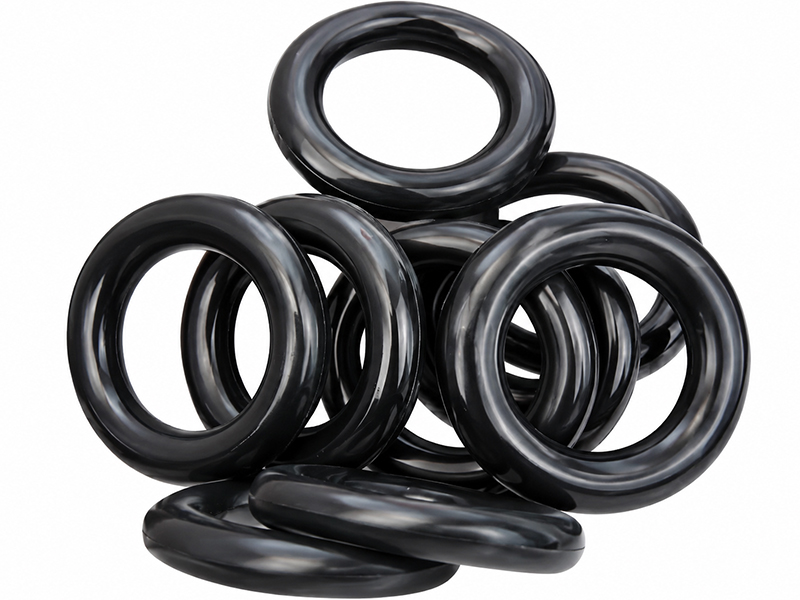
• Rubber Products: Seals, waterproofing strips, bridge bearings, shock absorbers (approx. 10%)
• Footwear & Cables: Rubber soles, cable sheathing-
• Emerging Fields: Modified asphalt, building seismic isolation materials, medical-grade materials